To obtain the best result when stitching multiple images to create a 360° Panorama the camera is rotated about the NPP (No Parallax Point) of the lens. This is also referred to as the Entrance Pupil, Nodal Point or Front Nodal Point, but is typically not actually a point as its location depends on the angle of the incoming ray.
There are various techniques for mapping the NPP, such as using a Cross Line Laser, and the mapped NPPs for a selection of lenses is published under Mapped No Parallax Points. Whilst these show the location and pattern of the NPPs they do not really convey the behavior of the lenses.
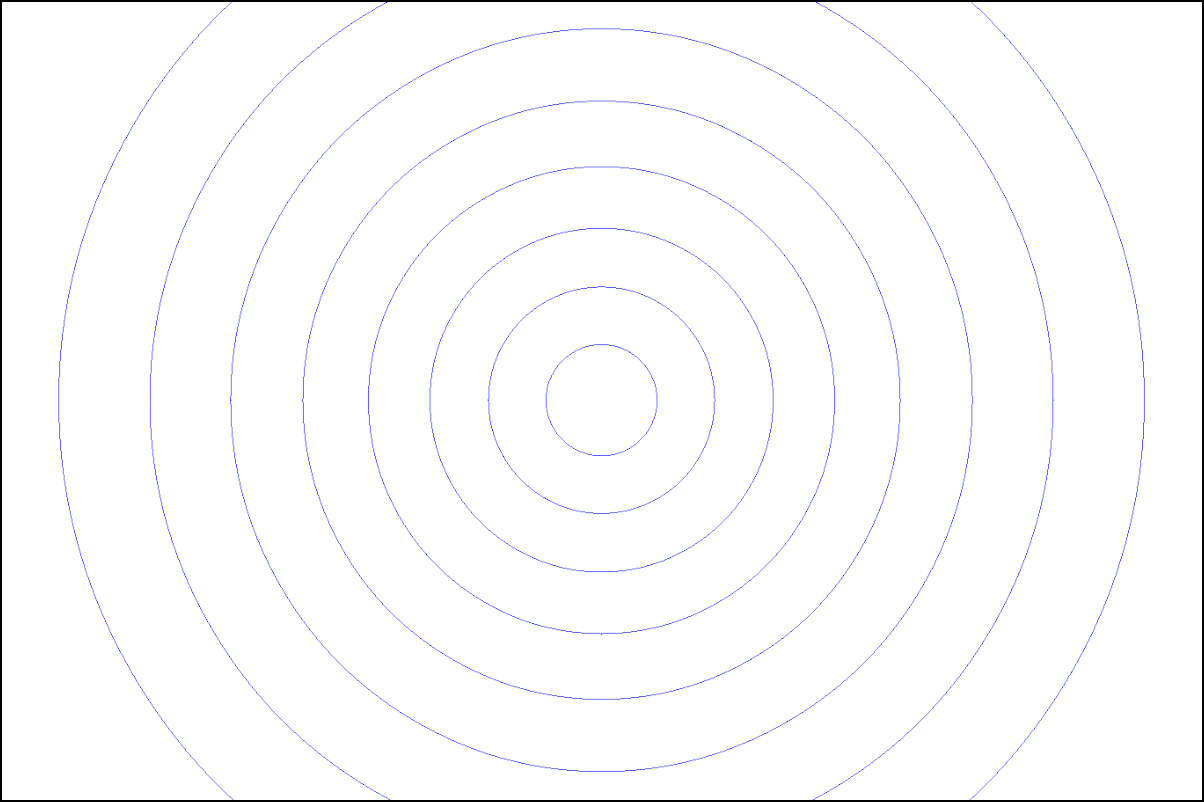
The following diagrams display the characteristics of lenses at 5° intervals. These do relate to the Mapped No Parallax Points, but provide a more visual representation of how some lens are actually behaving when mounted on an FX (Full Frame) camera. Most of these lenses are actually DX (APS-C) lenses, but are useful for creating 360° Panoramas by stitching multiple images.
Pergear 7.5mm f2.8 Fisheye Lens (FX)
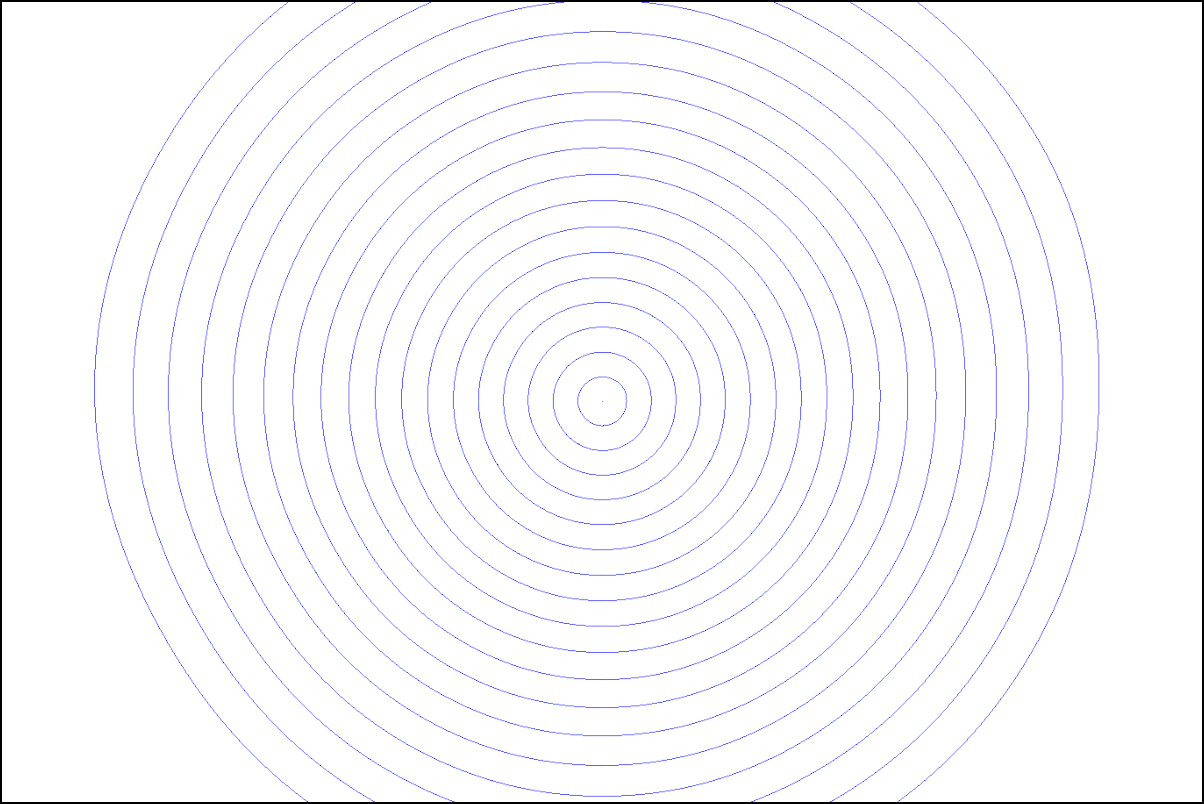
Samyang 14mm f2.8 Fisheye Lens (FX)
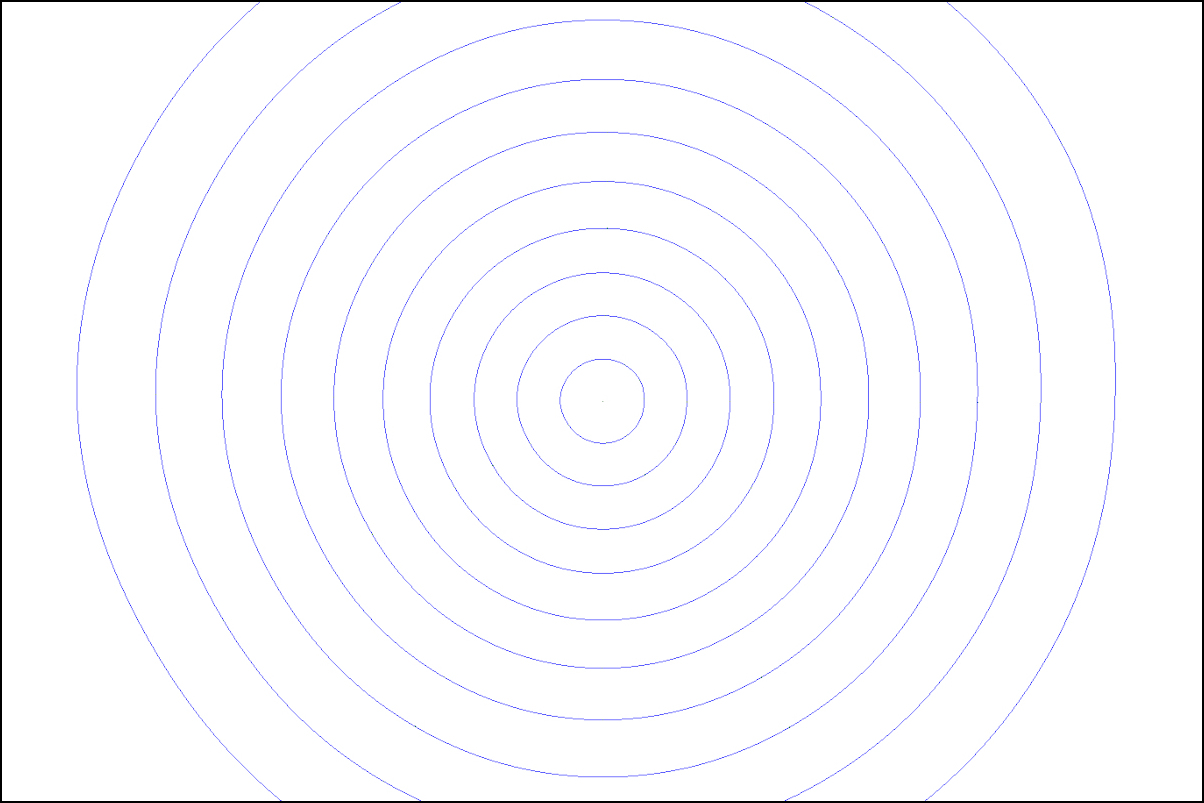
Nikon 10.4mm Fisheye Lens (DX)
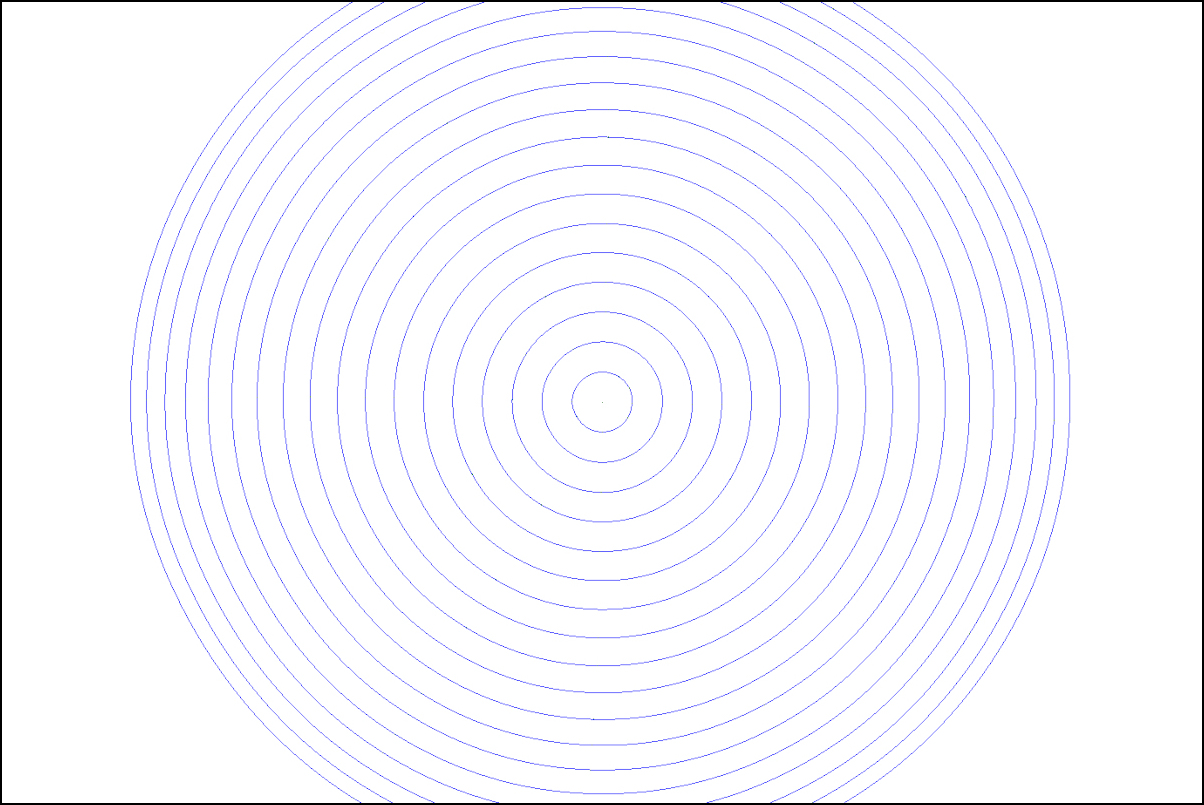
Samyang 12mm Fisheye Lens (DX)
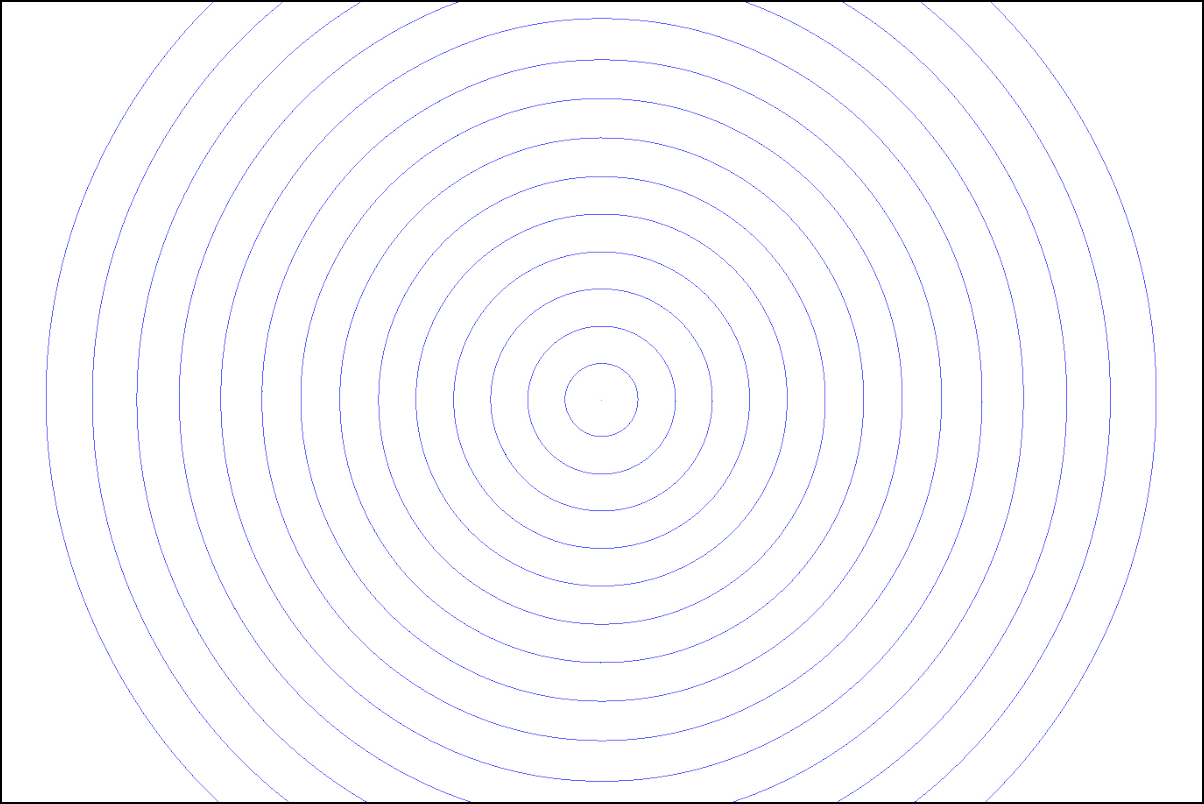
Tokina 10-17mm Fisheye Lens @ 10mm (DX)
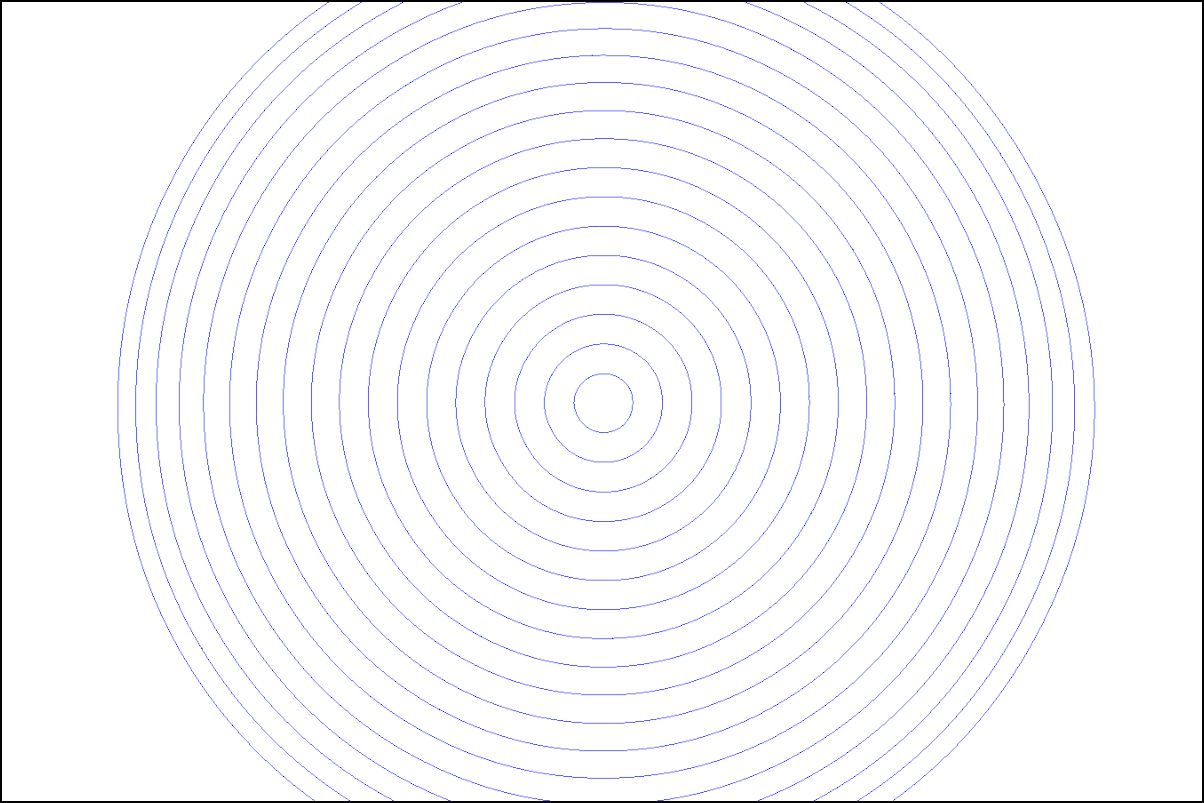
Tokina 10-17mm Fisheye Lens @ 12mm (DX)
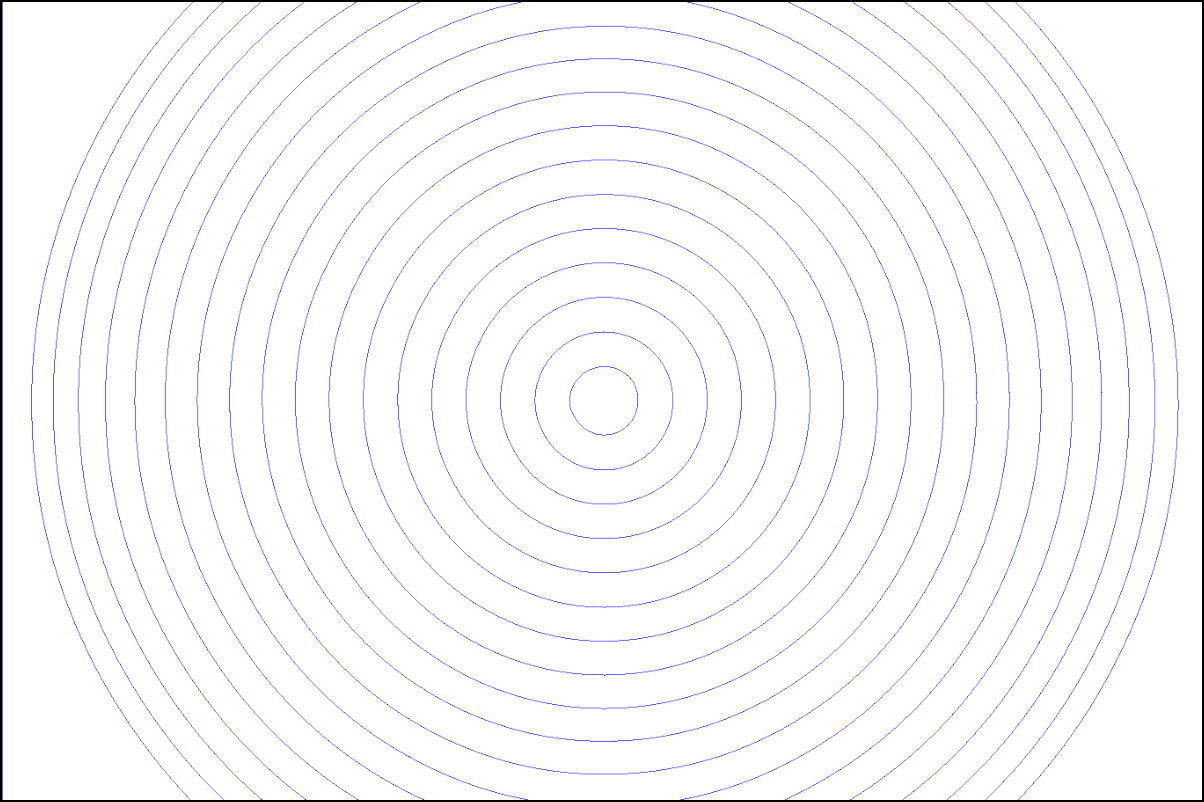
Tokina 10-17mm Fisheye Lens @ 14mm (DX)
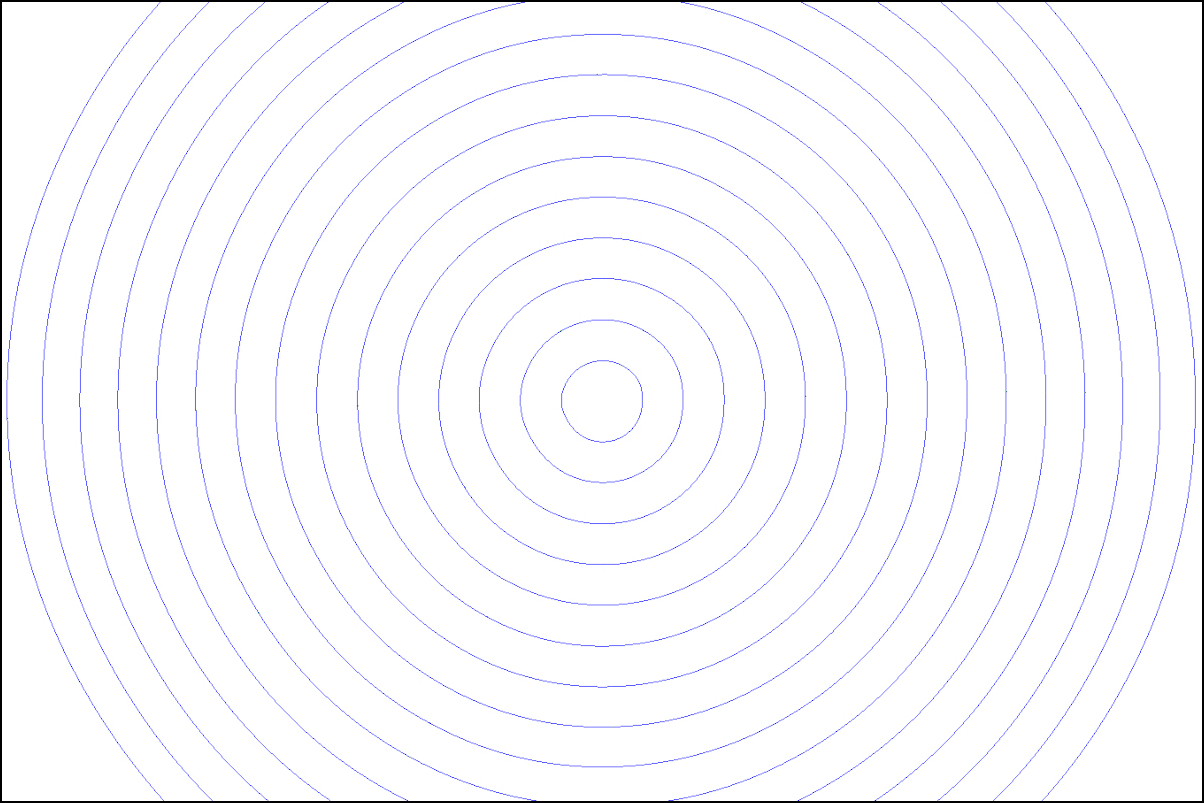
Tokina 10-17mm Fisheye Lens @ 17mm (DX)
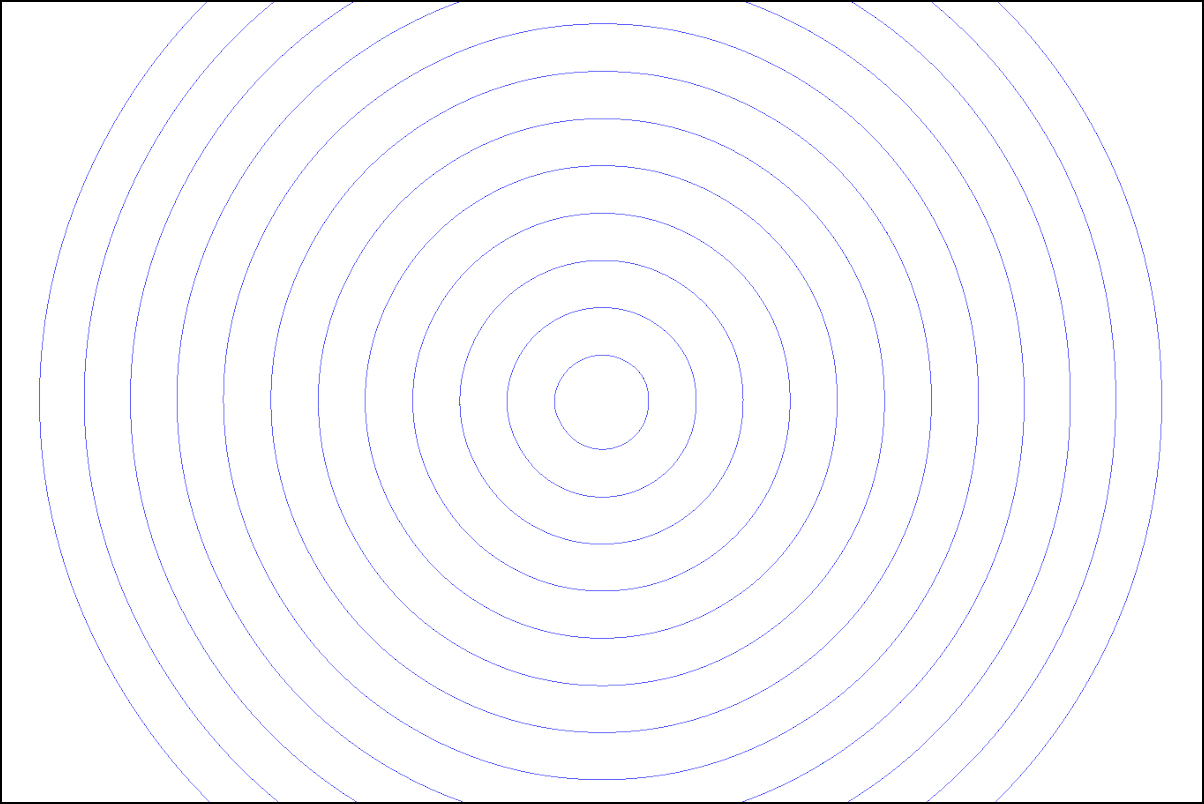
Viltrox 14mm f4 Rectilinear Lens (FX)
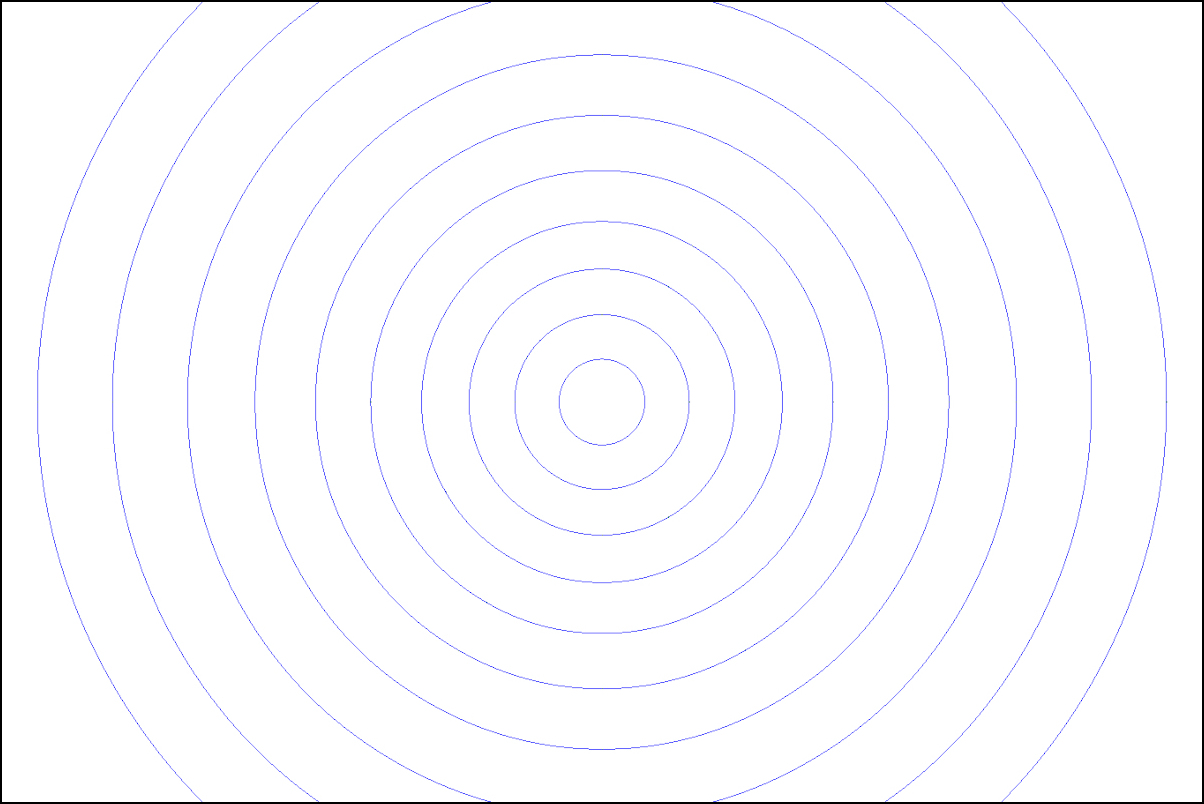
Sigma 10mm Rectilinear Lens @ 10mm (DX)
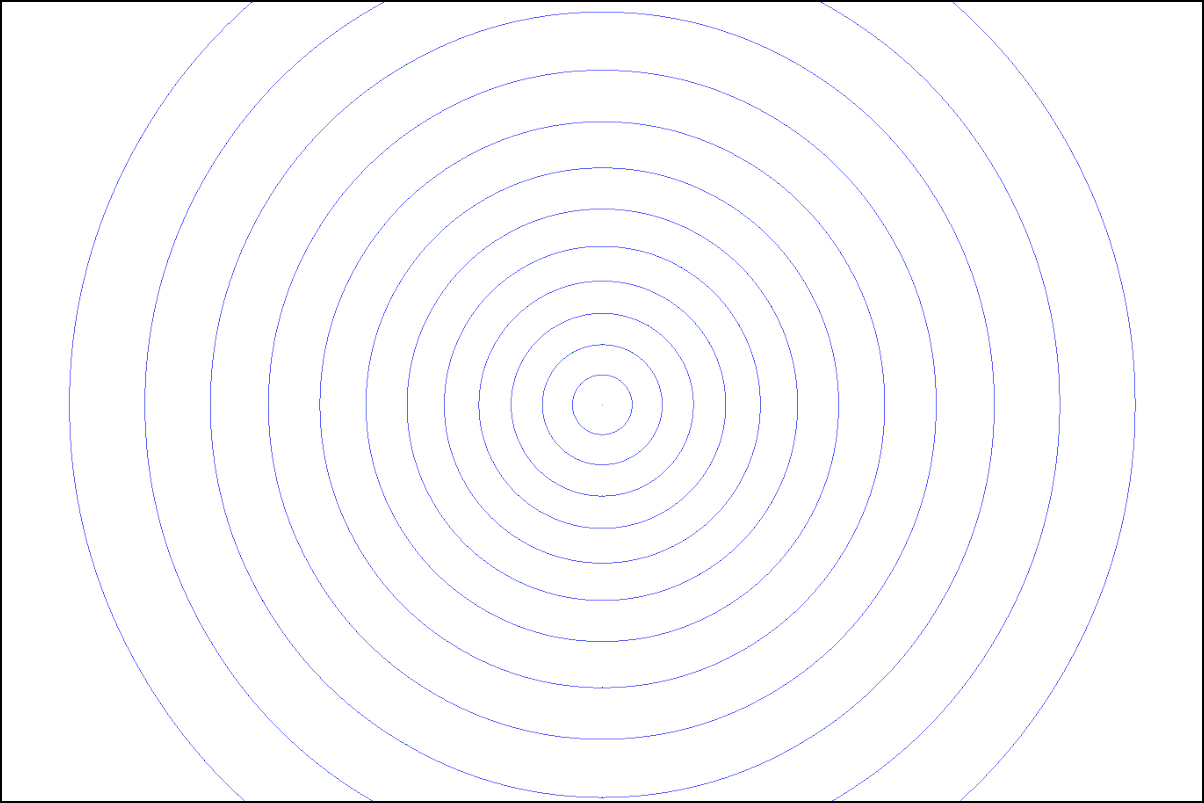
Sigma 10mm Rectilinear Lens @ 20mm (DX)